SOLUTION DEVELOPMENT
Sometimes, Off-The-Shelf Doesn’t Go Far Enough
Allow Us To Create A Custom Behavior Change Solution Just For You
In addition to our wide-ranging set of off-the-shelf programs, ProChange can develop a fully custom solution to fit your unique needs—from concept through implementation.
Our custom solutions are both engaging and effective. They offer the rare combination of being built on a proven, science-based foundation and providing a captivating user experience—which is often promised but rarely delivered.
ProChange solutions are scientifically designed with the undeniable power and reliability of in-depth behavior change science and evidence-based truths to drive engagement, sustained behavior change, and life-changing breakthroughs.
Your dedicated team of behavior change scientists and technology gurus will expertly guide you through our client-centric development process.
Discovery
Collaborate to uncover your goals and success criteria and immerse yourselves in the behavior change challenge
Solutioning
Design an evidence-based solution deeply rooted in scientific truths that will drive the desired behavior change across your population
Implementation
Iteratively build your solution complete with behavior change assessments, algorithms, and actionable messaging, along with supporting promotional campaigns

Evaluation
Analyze data to uncover meaningful outcomes and trends

Optimization
Provide targeted insights to optimize results and value on investment
Sometimes what you need simply doesn’t exist…yet
Are you looking for a solution that engages your population in unique ways and effectively drives specific changes—a solution that helps you realize not only your behavior change goals but also organizational objectives? If you haven’t yet found what you need with our off-the-shelf options, we can help.
Custom solutions development is our strong suit.
Prototypes
and Pilots
Full-Scale Implementations
Seamless Integrations
with SSO and APIs
We make the process easy. Tell us what you are looking for. We’ll do the rest.
End-to-End Mobile and Web-Based Apps
SMS-Delivered Behavior Change Solutions
Engaging Communication Campaigns
HOW IS PROCHANGE DIFFERENT?
ProChange’s ability to create compelling solutions to drive a desired behavior change is rooted in our unwavering commitment to behavior change science. Fads come and go, but our time-tested and proven design approach is built upon a rigorous scientific foundation and continually evolves based on cutting edge best practices.
Our fully-collaborative approach includes the following and more:
Comprehensive Needs Assessment and Landscape Analysis
Focus on Health Literacy, Plain Language, and Accessibility
%
Mastered
self-management skills
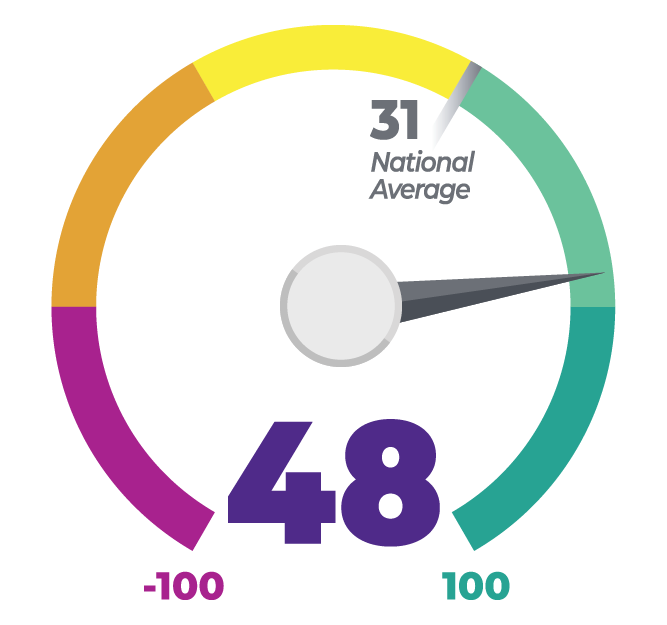
(vs. 31 National Average)
%
in chronic pain
WHAT OUR SOLUTION DEVELOPMENT
CLIENTS HAVE TO SAY
“Thank you for being such AMAZING partners to work with. I loved the spirit of positivity, collaboration, and resourcefulness you brought to every meeting and it has taught me so much about what it means to be a good partner. Thank you. If, in the future, I am in a position to develop another program, ProChange will be the first call I make!“
“What I appreciated most was the ownership, original thought and strategy that you put into helping us brainstorm the best approaches to our programs. Also important was your collaborative and communicative working style in helping us get things done once we had a plan.”
LIFE-CHANGING BREAKTHROUGHS
Here are some real-life stories.
Chronic condition self-management is better enabled by embedding behavior change into custom solutions.
Despite the importance of comprehensive self-management in enhancing the quality of life for people living with lupus, such a program simply did not exist. The Lupus Foundation of America engaged ProChange for a solution. ProChange developed a customized behavior change solution to help persons with lupus fully adopt self-management strategies and live their best possible life.